People usually come to a Botox consultation with two things on their mind: what happens during the appointment, and what the results will actually look like on their face. The treatment is quick, but the process works best when you understand the plan from the first conversation to maintenance months down the line. I have treated patients who want a subtle softening of 11 lines and others aiming for masseter reduction for jawline contouring. The steps are consistent, though the details are customized: dosing, injection sites, technique, and aftercare. Here is how a careful Botox treatment unfolds, and the decisions that shape natural results.
What Botox Is Doing Under the Skin
Botox, a purified botulinum toxin type A, interrupts the signal from nerve to muscle. The muscle relaxes, and the skin above it rests. The effect is dose dependent and temporary. That is why glabellar 11 lines, forehead lines, and crow’s feet respond predictably, and why dynamic wrinkles that form with movement are the most responsive.
It does not fill, it does not lift tissue the way a filler like Juvederm would. Think of it as pausing selected muscles so etched lines get a break. In areas like the brow, this can create a conservative brow lift by balancing depressor and elevator muscles. Around the mouth, micro dosing helps soften puckering without affecting speech. In the masseter, higher dosing thins bulk over months, helpful for facial slimming or to relieve TMJ or teeth grinding.
Sensations change as well. Many people notice they stop making the habitual frown that telegraphed fatigue. That is part behavioral, part muscular. When used for migraines or hyperhidrosis, the target is not purely aesthetic, but the principle is the same: blocking acetylcholine at the neuromuscular junction to reduce activity.
" width="560" height="315" frameborder="0" allowfullscreen="" >
The First Conversation: Consultation That Sets Direction
A Botox consultation clarifies goals and safety. A good botox specialist will take a history that includes previous injectables, any neuromuscular disorders, active skin infections, pregnancy or breastfeeding status, and medications or supplements that increase bleeding or bruising. If you are on isotretinoin, have an upcoming event, or recently had surgery, timing matters.
I ask people to animate strongly. Frown, lift the brows, smile wide, flare the nostrils if bunny lines bother you, scrunch the chin, and show your teeth to assess gummy smile patterns. The way your muscles pull reveals where to place botox injections and how much botox is needed for each zone. I look at baseline asymmetries, brow height differences, eyelid position to avoid opening the eye too much or causing droopy eyelids, and the depth of static lines at rest that may need more than a single session to fade.
If you are searching for botox near me or comparing a botox clinic and a medical spa, ask who performs the injections. A botox nurse injector with strong experience can deliver excellent results, and a board-certified botox doctor or facial plastic surgeon will guide more complex cases. Training matters, but so does an eye for balance.
Pricing, Cost Ranges, and Specials That Make Sense
Botox pricing typically follows one of two models: per unit or per area. Per unit pricing is transparent, since dose equals effect and duration. In many metro areas, you will see ranges between 10 and 20 dollars per unit. The glabella often runs 15 to 25 units, forehead lines 6 to 12 units, and crow’s feet 6 to 12 units per side. Masseter reduction usually requires 20 to 40 units per side. Prices vary by market and injector expertise.
Area pricing bundles a typical dose for, say, frown lines or crow’s feet. It can be convenient if your dose lands squarely in the average. The moment you want a very light baby botox approach or a higher dose for robust muscles, per unit models often feel fairer.
Botox specials are common, usually tied to manufacturer reward programs or off-peak scheduling. Resist the lure of deep discounts unless you trust the clinic, the product is authentic, and the injector has the experience to adjust your plan. A cheap, poorly placed treatment costs more to fix than to do right the first time.
Appointment Prep That Helps Your Skin
A few small choices reduce bruising and swelling. If safe for you, pause nonessential blood thinners such as fish oil, high dose vitamin E, ginkgo, or aspirin for one week before a botox appointment. Do not stop prescription medications without your physician’s advice. Avoid alcohol for 24 hours if you bruise easily. Arrive with clean skin, no heavy makeup or self-tanner in the treatment zones, and bring photos of your botox before and after from prior sessions if you have them. They help measure botox effectiveness and fine-tune dosing.
If you are needle sensitive, ice and topical anesthetic are options, though numbing cream is rarely necessary. Some people prefer vibration distraction at the injection site. The procedure is not painless, but it is quick, and most describe it as brief pinches.
Mapping the Face: Where Botox Works Best
The most common cosmetic uses are glabella 11 lines, forehead lines, and crow’s feet. Each has its own logic. The glabella requires enough units to control the central frown, or the outer brow can overpull. The forehead is dosed conservatively, especially in people with heavier lids, to avoid flattening the brow or creating a shelf. Around the eyes, a sprinkling of small aliquots softens crow’s feet without dropping the lower eyelid.
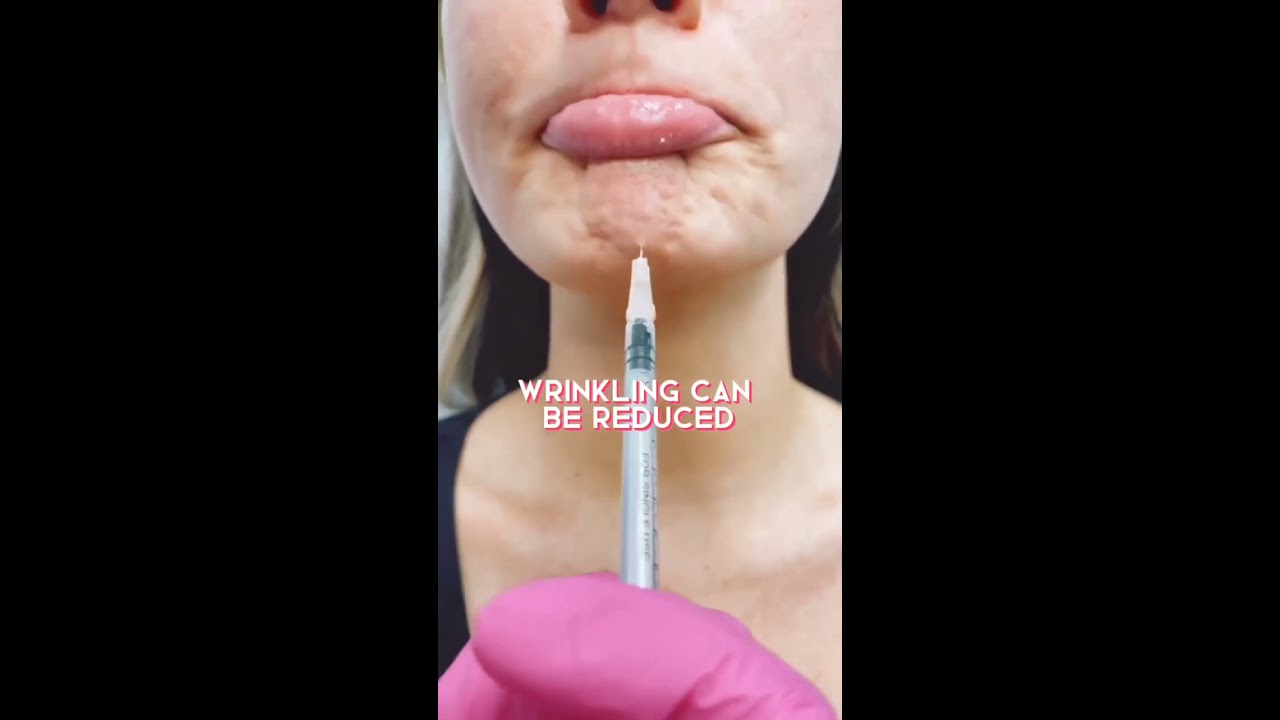
Outside the classic trio, targeted treatments expand what botox can do. Bunny lines on the nose respond to two or three precise injections. A lip flip uses tiny units to evert the top lip slightly, useful when a filler is not desired. Chin dimpling comes from an overactive mentalis, so relaxing it smooths pebbled texture. For jawline contouring and facial slimming, masseter reduction thins the lower face over two to three sessions spaced several months apart. Platysmal bands and vertical neck bands can be softened with careful placement, though neck work requires specific training because the anatomy is less forgiving.
Functional treatments are worth noting. Botox for migraines follows established patterns, often 150 to 200 units across scalp, temples, and neck in a medical setting. Botox for sweating or hyperhidrosis reduces sweat production in underarms, hands, or scalp. These sessions use higher total units and a grid approach. Botox for TMJ and teeth grinding targets the masseter and sometimes temporalis to reduce clenching. These are medical therapies and should be planned by a clinician experienced with botox therapy, not just botox cosmetic.
The Procedure Room: What Happens Minute by Minute
Here is a concise walkthrough, based on a standard aesthetic session for forehead, frown lines, and crow’s feet.
Check in and review consent. Your injector will confirm the plan, mark injection sites with a cosmetic pencil while you animate, and cleanse the skin with alcohol or antiseptic. If desired, a touch of numbing cream or ice is applied. The botox is drawn from a sterile vial, reconstituted to a known concentration.
Injections proceed with a fine needle. For the glabella, several points in the corrugator and procerus muscles are treated in a small fan. The forehead is addressed with superficial injections in the frontalis, spaced a centimeter or two apart, with dosing that tapers toward the hairline and lateral brow to preserve lift. Crow’s feet receive tiny injections placed just outside the orbital rim to avoid the eye itself. Pressure or a chilled roller reduces pinpoint bleeding. The whole process usually takes 10 to 20 minutes.
Expect slight bumps, like mosquito bites, that settle in 15 to 30 minutes. Makeup can go on after a few hours if the skin is intact. Many people head straight back to work.
Aftercare That Protects Your Result
The injection is quick, but the toxin needs time to bind and start working. Treat the first day as an investment in your outcome. I give a short set of instructions that patients remember easily.
- For 4 to 6 hours, stay upright, avoid rubbing the treated areas, skip facials or heavy hats pressing on the forehead, and hold off on vigorous exercise. For the first 24 hours, avoid saunas and hot yoga, minimize alcohol, and keep skincare gentle around the injection sites.
Normal activities like walking, screen time, and light errands are fine. A faint headache sometimes follows forehead injections, and a non-aspirin pain reliever can help. Pinpoint bruises may appear, especially around the eyes. A dab of concealer covers them, and they usually clear within a few days. If you see an asymmetric smile or the brow feels uneven, do not panic. Subtle differences are common at day three. Most injector offices schedule a follow up at two weeks for assessment and, if needed, a touch up.
When Results Kick In, and How Long They Last
Botox timeline expectations keep stress low. Most people feel the first softening at 48 to 72 hours. The full effect settles by day 10 to 14. Deep static lines may look reduced but not erased in one session, especially in sun-damaged skin. As the muscle rests over multiple botox sessions, the etched line often fades more in subsequent treatments.
The botox duration for facial areas averages three to four months. In strong masseter muscles or men with thicker muscle mass, two to three months is more common at first. With regular treatments, you may notice the botox frequency stretching slightly as muscles learn a new resting tone. I tell people to plan for three or four treatments in the first year, then re-evaluate. Migraine and hyperhidrosis protocols have their own timelines, often every three months.
Safety, Side Effects, and Real Risks
Used correctly, botox cosmetic has a strong safety record. Common side effects include mild bruising, swelling, and temporary headache. Less common effects are eyebrow heaviness if the forehead is overtreated, a slight eyelid droop if toxin migrates into the levator palpebrae, or a smile asymmetry if the product spreads into the zygomatic region. These effects are dose and placement dependent and, importantly, temporary. They usually resolve as the botox wears off.
The best prevention is thoughtful technique: appropriate dilution, slow and superficial placement where needed, and avoiding massage over key areas. Communicate recent illness, antibiotics, or planned dental work with your injector. People with neuromuscular disorders require a different risk calculation and sometimes should avoid botox. If you are pregnant or breastfeeding, wait. If a clinic promises miracles, be cautious.